The history of the Citadelle de Namur, and the nickname
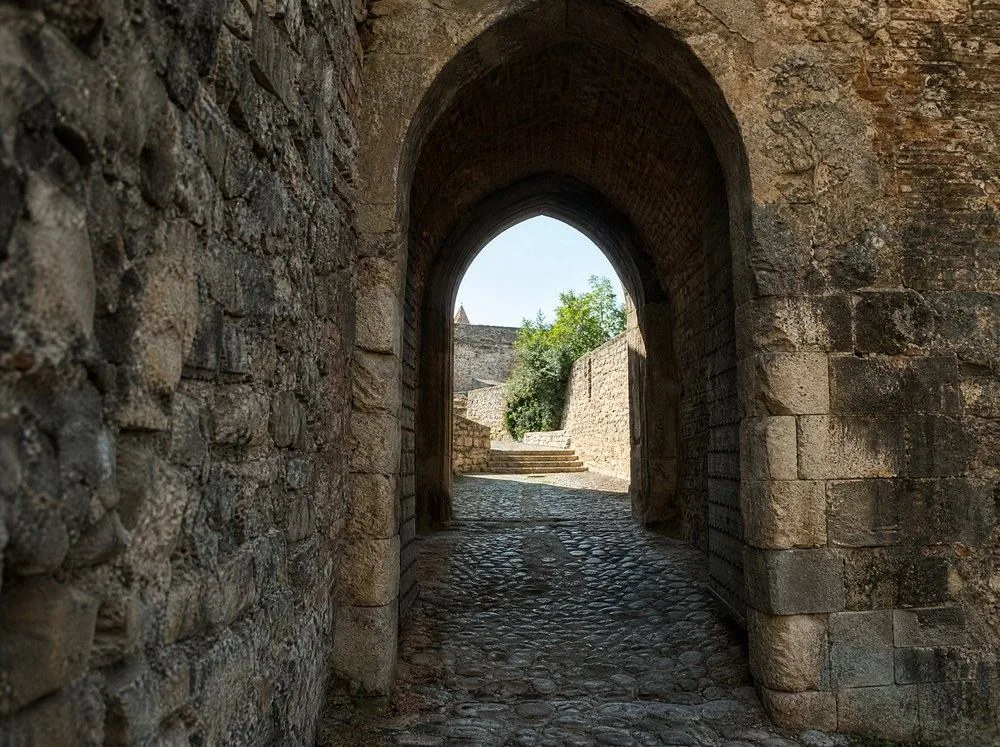
The fortress is on this rock because of what lies underneath it: the Sambre runs into the Meuse at the foot of the hill, and whoever held the rock watched both rivers at once. The nickname people arrive quoting, the termite mound of Europe attributed to Napoleon, reaches me as a nickname and nothing more, and this page will not hand it to you as sourced fact.
Why a fortress ended up on this rock
Stand at the wall above the confluence for a minute and the military argument makes itself. The town sits in the fork of two rivers; the hill sits above the fork; anything moving on either river passes underneath. Namur was worth holding because of where the water goes, and the fortress is the physical form of that fact. It is the one piece of the history you can read straight off the landscape; the ticketed visits tell the rest.
The hill is not one construction either. It reads as three: the Donjon highest, the Médiane below it, and Terra Nova at the far end. Walking between them takes an hour, and the layout is described on what there is to see up here.
The termite mound of Europe
This is the line every search for Namur’s nickname turns up, usually put in Napoleon’s mouth. It is a good line and it may well be his. What I have in front of me is the phrase circulating as an attributed nickname rather than a primary source, so that is exactly how it appears here: something the Citadelle is called, by people repeating Napoleon, and not something I can show you a document for.
I would rather be dull about this than confident. Plenty of pages will give you the quotation with a date attached; ask them where the date came from.
If the history is why you are coming, buy the ticket that tells it rather than hunting for plaques. The Citadel in the Middle Ages and the audio-guided visitor centre at Terra Nova both exist to explain the hill, and the ramparts do not explain themselves.
Where the history is actually told
Three of the ticketed visits carry the story. The Citadel in the Middle Ages is the one aimed squarely at the fortress’s past, at about fourteen euros for an adult and rather less on the reduced rate. The audio-guided visitor centre at Terra Nova is a few euros and puts the whole site in order. The souterrains take you into the galleries themselves with a guide; how that visit works is on the souterrains page, and the prices for all of it are in the table on the tickets page.
The three-visit pass makes you choose between the tunnels and the medieval visit, which is a real decision if history is the point of your day. The four-visit pass has both. If you would rather have a person than an audio track, the guided days near Namur are on every tour we list, and you pick up the visit tickets at the desk on the day.
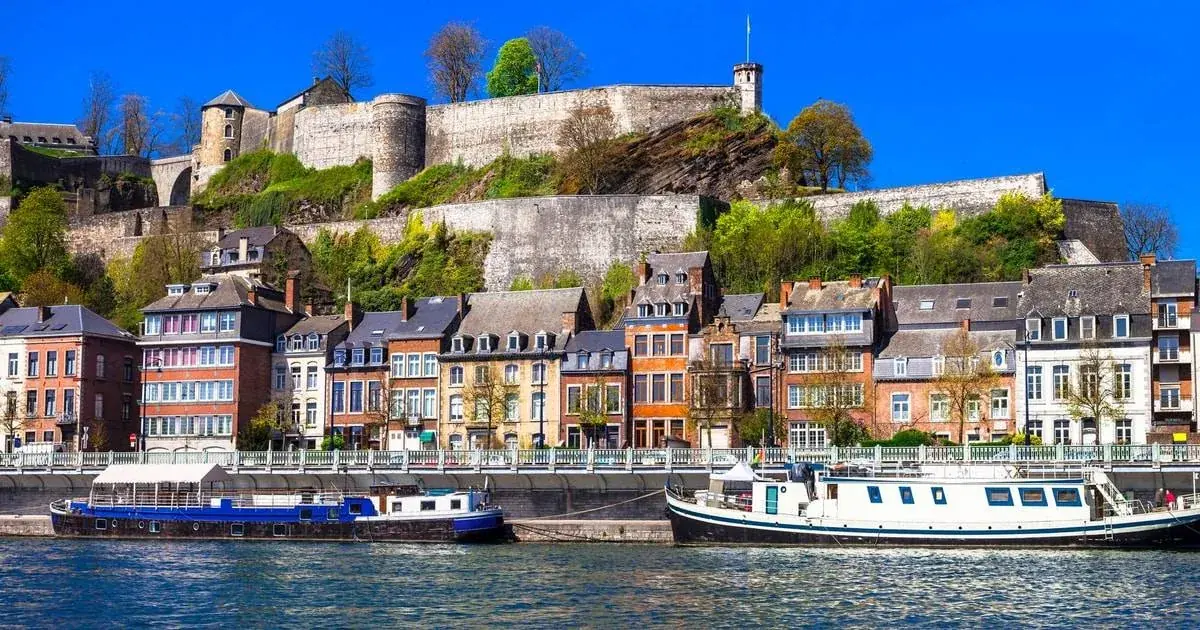 Walk with a local
Namur: Best Intro 2-hour Walk with a Local
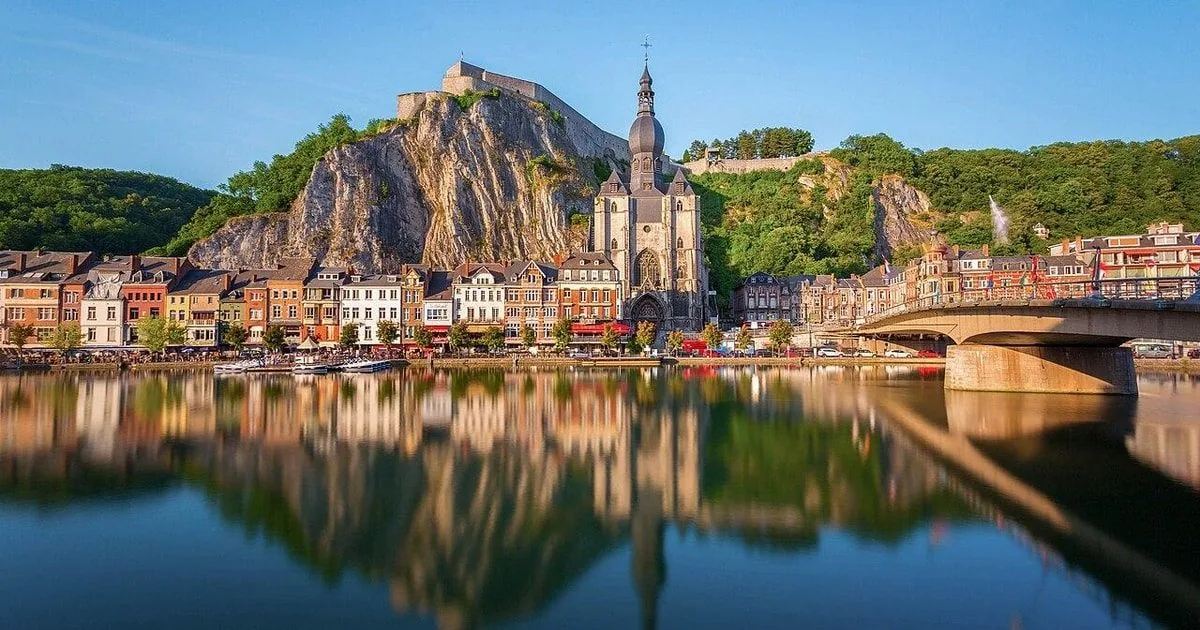 Namur included
From Brussels: Dinant and Namur Private Day Trip
Frequently asked questions
What is the nickname of the Citadelle de Namur?
It is widely called the termite mound of Europe, a line attributed to Napoleon. It circulates as an attributed nickname rather than as something with a primary source behind it, so treat it as a good story about the fortress and not as a documented quotation. The fortress grounds are open all year, as explained on what the grounds include.
Why was the Citadelle built where it is?
Because of the confluence. The Sambre joins the Meuse directly below the hill, and the rock above the junction commands both rivers at once. You can see the logic from the ramparts; the layout is on what there is to see up here.
Where can I learn the citadel’s history on site?
From the ticketed visits: The Citadel in the Middle Ages, the audio-guided visitor centre at Terra Nova, and the guided visit into the souterrains. A three-visit pass makes you choose between the first and the last; the four-visit pass includes both. Prices are on the tickets page.